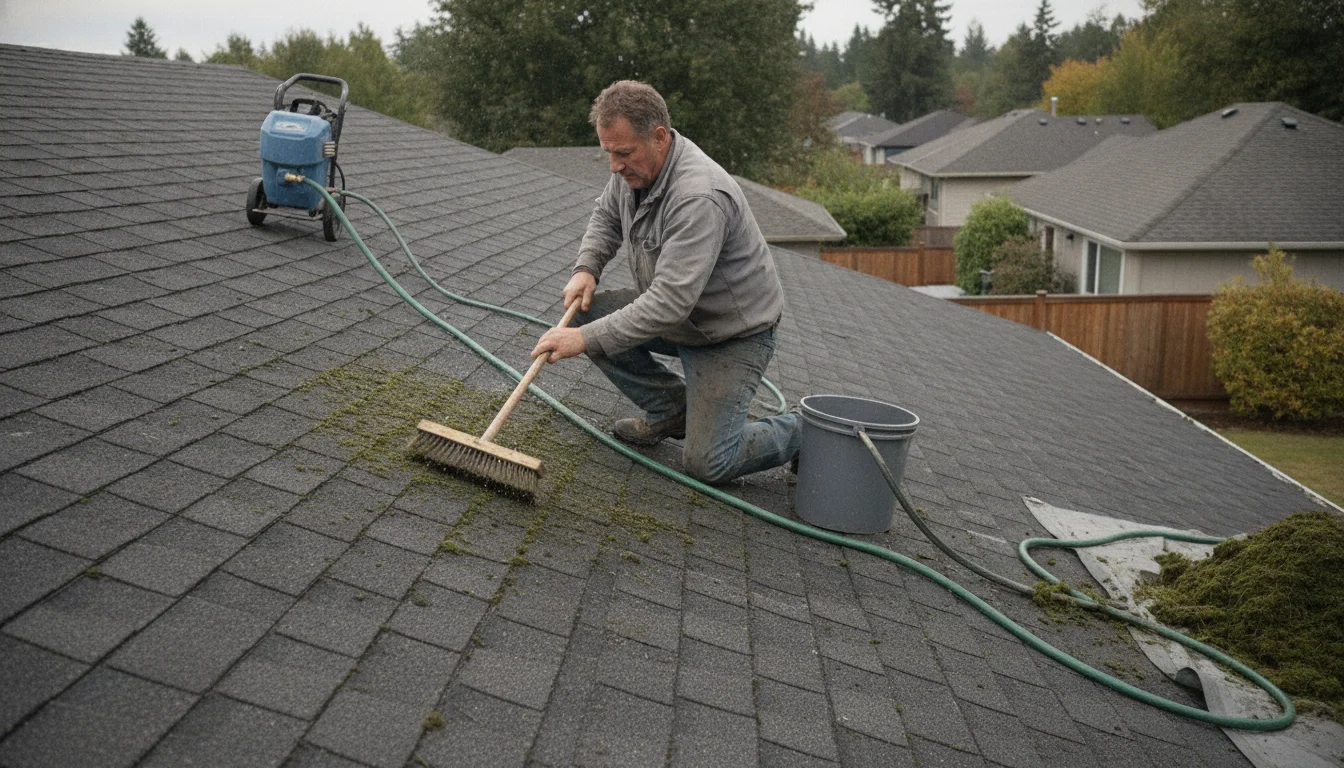
A storefront fell quiet after a long weekend. The glass looked flat and hazy, the sidewalk felt slick, and tenants said foot traffic dipped. One planned building wash brought back crisp lines and safer steps. By midday, the space looked ready for customers again.
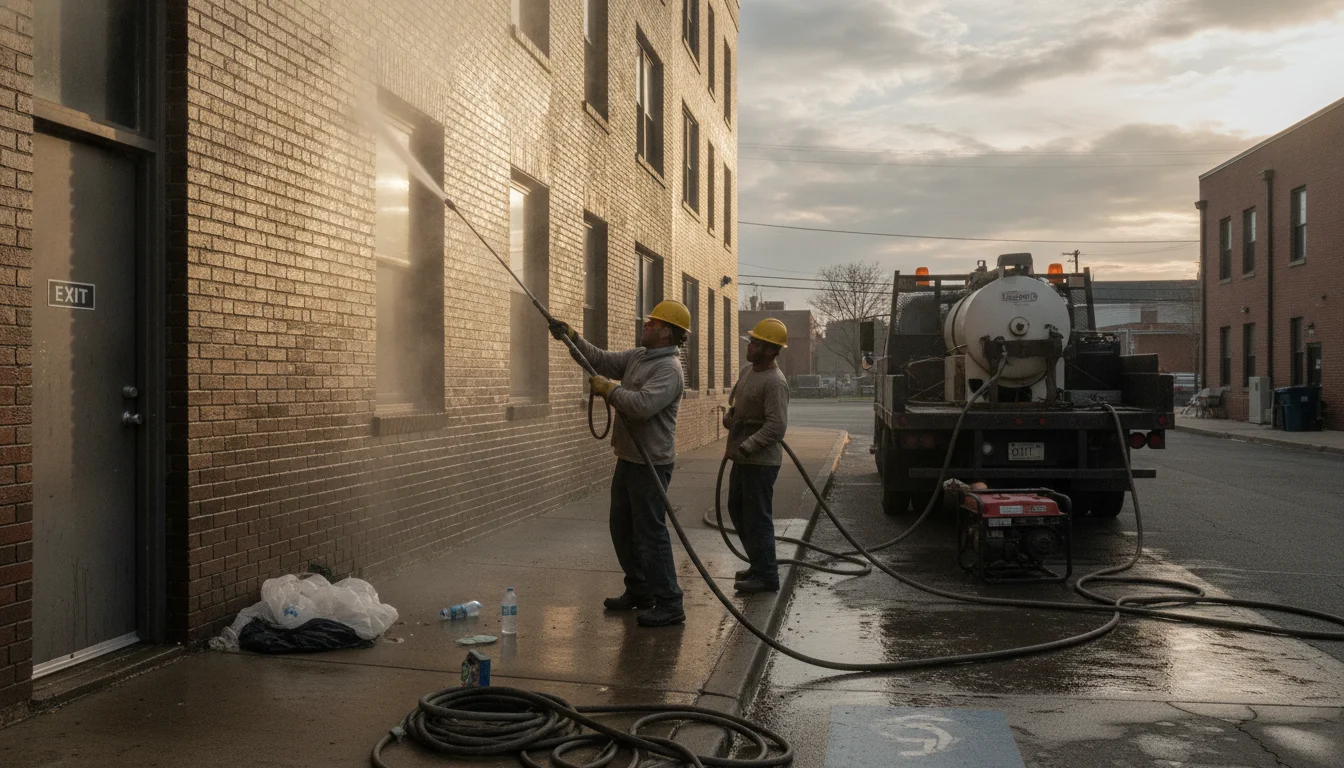
Commercial building exterior pressure washing is the use of controlled water pressure and purpose-made cleaners to wash exterior surfaces on business properties. It removes soil, algae, and grime from walls, glass, metal, and concrete while protecting the underlying materials. In short, it’s a scheduled cleaning method that restores curb appeal, reduces slip risks, and supports steady upkeep without damaging the facade.
Vero Beach Pressure Cleaning understands how properties operate. Crews plan work so tenants can open on time, and they coordinate around deliveries and peak hours. The aim is straightforward: clean, safe results and a maintenance rhythm that fits your calendar.
Table of Contents
- 1. Why Exterior Cleaning Matters for Commercial Properties
- 2. What Commercial Building Exterior Pressure Washing Includes
- 3. Preparation and Process: How Pros Plan a Building Wash
- 4. Environmental and Regulatory Compliance
- 5. Safety, Access, and Tenant Coordination
- 6. Service Plans, Frequency, and Seasonal Timing
- 7. Budgeting, Proposals, and Vendor Selection
1. Why Exterior Cleaning Matters for Commercial Properties
Curb appeal shapes first impressions. A clean entry, bright trim, and tidy sidewalks tell visitors the site is safe and well cared for. That encourages shoppers, clients, and tenants to spend time on-site. It can also help with leasing discussions and renewals, since clean buildings tend to photograph better and present more clearly to prospective tenants and investors.
Clean materials last longer. Dirt and organic growth trap moisture and salts, which can wear down paint films, sealants, and masonry over time. Regular washing removes that load so coatings can perform as designed. Consistent care stretches paint cycles and keeps seals around windows and doors in better shape. Over years, smaller, scheduled cleanings support the whole asset’s condition.
Risk reduction matters as well. Algae makes concrete slippery. Grease at service doors tracks indoors. Soot and fine dust stain louvers and vents. A set washing plan removes slip hazards and marks before they spread. It also helps keep fire lanes, ADA routes, and entries free of debris. For mold concerns, the Centers for Disease Control and Prevention notes that moisture control and proper cleaning help limit growth on damp-prone surfaces. When in doubt, treat moisture sources and clean the surface correctly rather than over-spraying.
A consistent program also supports compliance. Many municipalities expect clean sidewalks near storefronts. Business parks and HOAs often set standards for signage, awnings, and glass. Routine building washing fits these guidelines and helps keep your property ready for inspections and audits.
Tenant satisfaction and retention
Tenants want a property that helps them trade. Clean glass brings in more natural light. A refreshed facade frames displays. When loading zones and service areas are tidy, staff can move safely and efficiently. These small improvements add up to smoother operations and fewer complaints.
Asset life and risk reduction
Think of the building envelope like a car’s finish. Sun, rain, and grit wear it down. Smaller, planned cleans cost less and prevent bigger repairs later. The same applies to trip and slip issues: removing algae and gum now helps prevent incidents and claims down the road.
2. What Commercial Building Exterior Pressure Washing Includes
A full scope touches many surfaces. Masonry—brick and block—often benefits from a low-to-moderate rinse to protect joints. EIFS (Exterior Insulation and Finish System) is a lightweight cladding with a thin finish; it requires soft washing to prevent damage. Metal panel systems, glass, vinyl, and painted trim each need a tailored method and cleaner.
Common soils vary by site. Algae and mildew thrive on shaded walls. Soot and diesel dust accumulate near roads and docks. Grease builds around service doors and dumpster pads. Gum tends to collect on sidewalks near entries. Each soil type needs the right detergent and dwell time (the period a cleaner stays on the surface before rinsing).
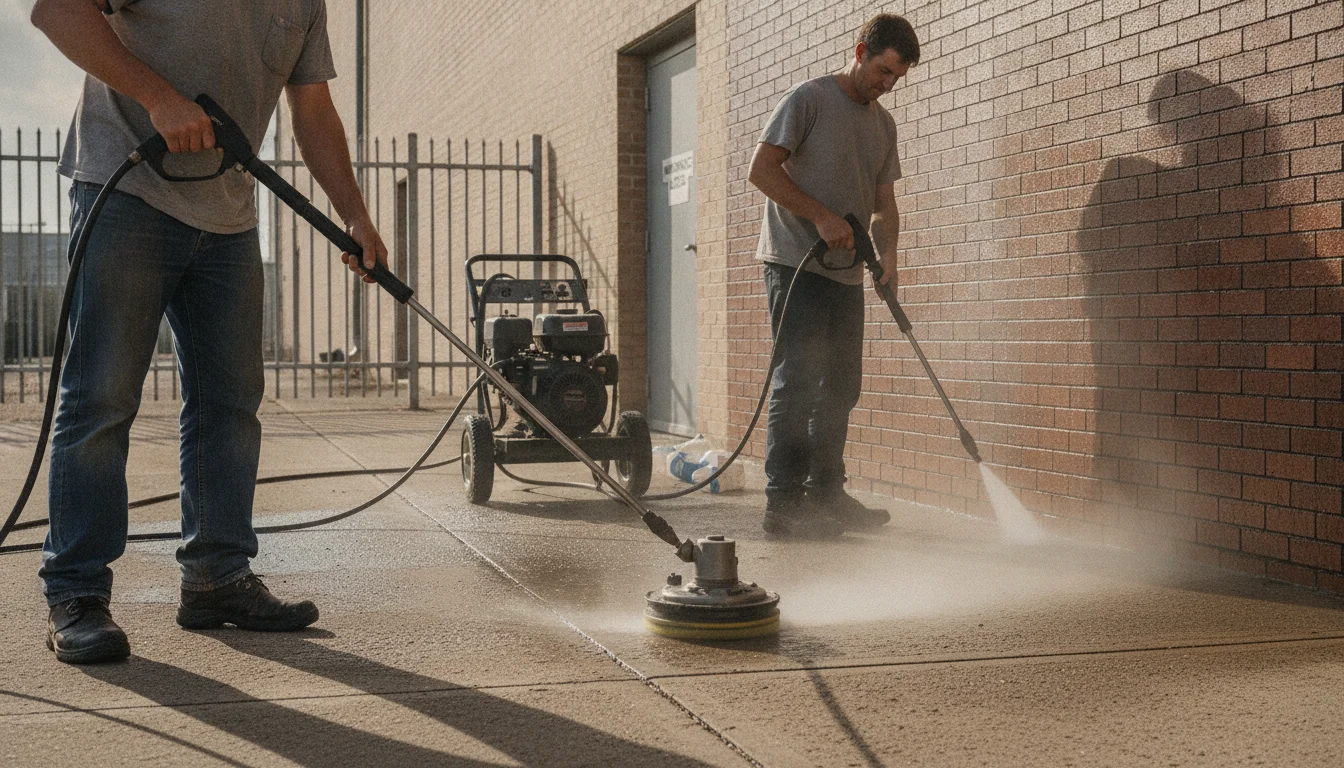
Pressure washing uses higher water force to break and lift soil. Soft washing relies on low pressure plus detergents to clean without force. Soft washing suits EIFS, stucco, wood, and aged paint. Pressure washing is a match for concrete, curbs, and robust metals. The correct choice cleans effectively and protects the surface.
You may also include signage, awnings, canopies, and window frames. These draw attention, so they should be cleaned carefully. Grease spots and gum often need heat and targeted tools. A hot-water unit helps lift oil and protein soils on concrete and at drive-thrus.
Pressure vs. soft washing: picking the match
- Pressure washing: Higher force, efficient on hard surfaces like concrete.
- Soft washing: Low force with detergents, safer for delicate skins such as stucco and EIFS.
- Heated washing: Useful for oil and grease at service lanes and restaurant pads.
Add-on areas for a full look
Sidewalks, parking bumpers, loading docks, railings, and trash corral pads complete the picture. Many property managers in Vero Beach wrap these with Pressure Washing Services in Vero Beach, FL | Exterior Cleaning so the entire site reads as clean and consistent.
3. Preparation and Process: How Pros Plan a Building Wash
A professional starts with a site review. They note water access, drainage paths, power lines, landscaping, and tenant hours. Sensitive surfaces get a small test patch. Areas needing protection—alarms, outlets, door sweeps—are marked. Teams also plan wastewater capture if drains lead to storm systems.
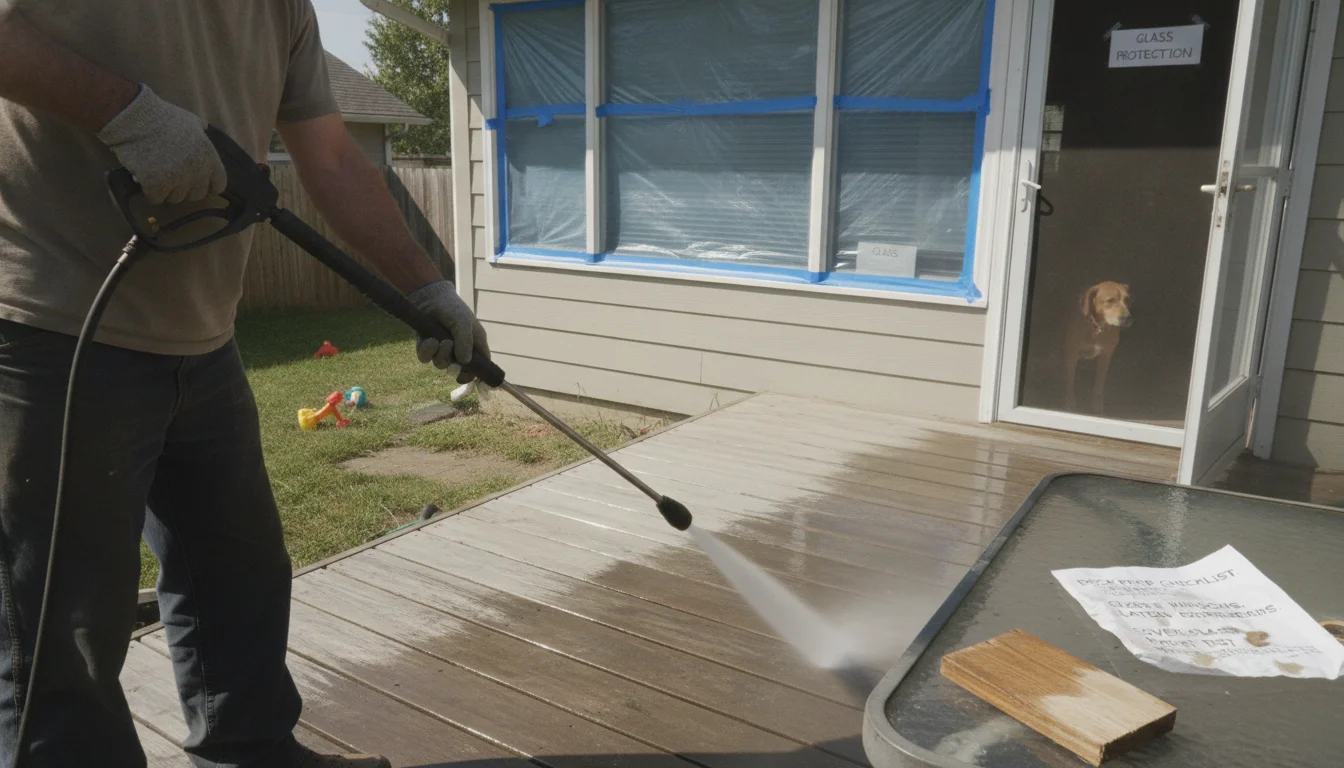
Protection steps come next. Plants receive a pre-rinse. Sensitive fixtures get film or covers. Crews place cones and signs to guide foot traffic. If lifts or ladders are needed, routes and swing zones are mapped out. A staging area holds equipment, hoses, and containment tools.
On the work day, the team follows a predictable sequence. They pre-wet surfaces to cool them. Detergent is applied from the bottom up on walls to avoid streaks. Dwell time allows the cleaner to work. Tough spots get gentle agitation with soft brushes. Rinsing proceeds top-down to carry soil away. A side-by-side quality check catches misses and runs before moving on.
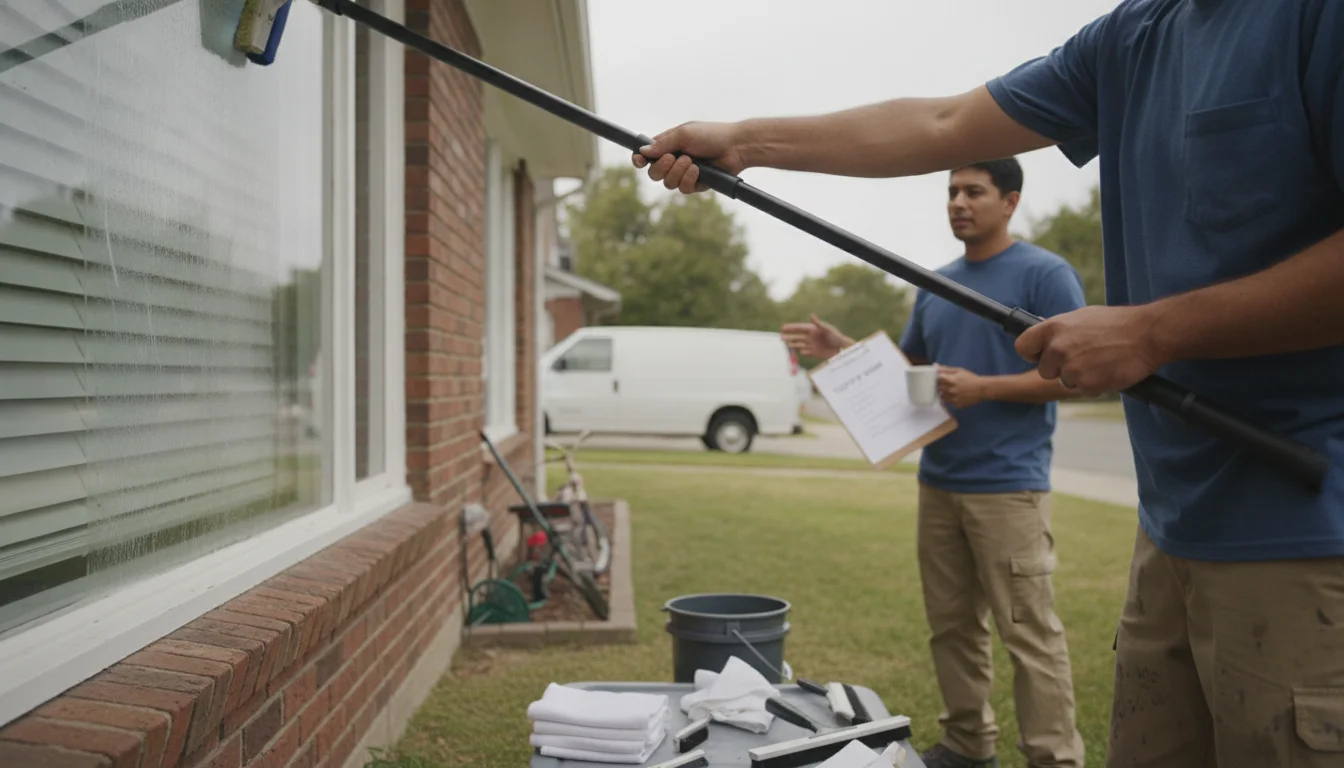
Windows and frames often get a soft wash and a gentle rinse to protect seals. Metal panels may need a pH-balanced wash to avoid streaking. Concrete is frequently cleaned last, so foot traffic can continue while walls dry. A final walkthrough confirms the before-and-after and ensures entries and paths are open.
Containment and cleanup
Teams place mats or berms to keep water out of storm inlets when needed. Collected water is filtered and pumped to an approved drain or tank. Gum and leaf piles are removed. The site should finish tidy, with dry thresholds and safe walking surfaces.
Communication with tenants
Notices go out in advance. Signs at doors show which areas are in progress. On-site staff know how to reach the crew lead if a question comes up. Clear updates help the day run smoothly and keep schedules on track.
4. Environmental and Regulatory Compliance
Wastewater rules matter. In many cities, water entering storm drains must be free of soaps and solids. The U.S. Environmental Protection Agency explains that discharges to storm systems are regulated under the NPDES program, and businesses must prevent pollutants from entering those drains (EPA stormwater program). A qualified vendor will plan capture or diversion to sanitary systems where required.
Capture can involve vacuum berms, sump pumps, and filtration. Filters remove grit and solids. When allowed, water is directed to a sanitary drain so it can be treated. Even when capture isn’t required, teams should avoid unnecessary runoff into planting beds or busy pedestrian areas.
Detergent selection is critical. The cleaner must match both the soil and the surface. Oxidizers, surfactants, and degreasers each have a role. Many vendors choose biodegradable options when they perform well. Dwell time stays short on sensitive materials, and thorough rinsing prevents residue.
Some projects require permits or notifications. Work on large campuses, or near sensitive waterways, may need extra steps. Crews keep Safety Data Sheets on hand. Labels remain clear. Containers are sealed and stored upright in the staging area.
Noise and air quality also matter. Hot-water units should vent away from doorways. Work hours should align with local rules. Trucks and generators must not block ADA routes or fire lanes. These decisions keep the site safe and aligned with community expectations.
Documentation for compliance
- Wastewater plan: Capture, redirect, or verify allowable discharge.
- Detergent log: Products used, mix rates, and SDS on file.
- Site map: Inlets, sanitary tie-ins, and staging areas.
Training and standards
Crew leads train new staff on containment and rinse procedures. Simple checklists help repeat the correct process each time. If your site requires records, ask for a brief report with photos and notes after each visit.
5. Safety, Access, and Tenant Coordination
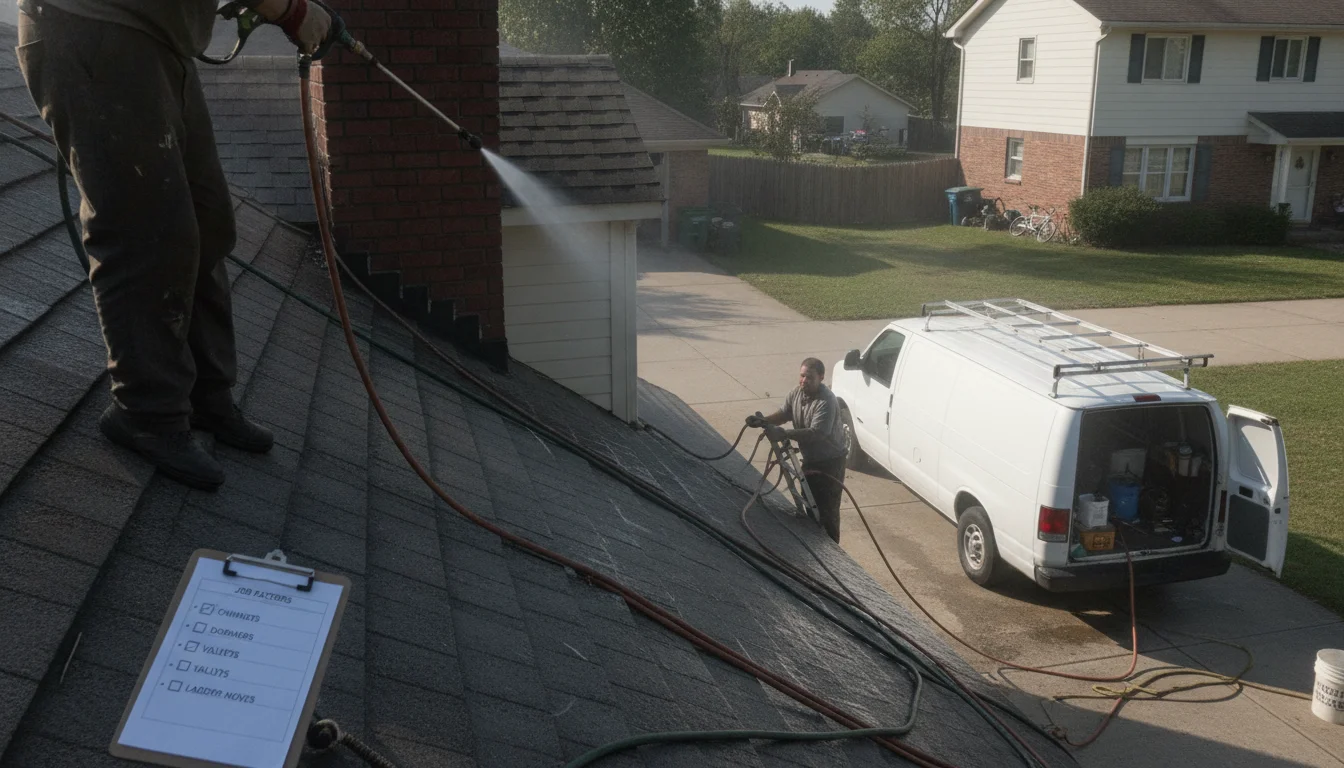
Working at height requires care. OSHA requires fall protection when work is performed at elevations where falls could occur; the agency sets rules for ladders, scaffolds, and lifts to keep crews safe. A trained team selects the right lift, inspects harness gear, and sets guarded zones below.
Public protection is part of the plan. Crews place cones, caution tape, and signs. Hoses are routed to prevent trips and sharp edges are covered. If an entry must be washed, it is timed so doors can reopen quickly. Nozzles are chosen to reduce overspray near traffic and glass.
Access to water and power is confirmed in advance. Keys or codes for gates, docks, and mechanical rooms should be ready at start. A single point of contact helps unlock doors or answer quick questions. Simple prep keeps the day smooth.
Scheduling is tailored to quiet periods. Restaurants may opt for late night or early morning. Offices often prefer midday or weekend work. Retail commonly favors early mornings before opening. Crews can phase work side-by-side so at least one entrance remains open at all times.
Protecting finishes and fixtures
Teams shield cameras, keypads, and lights. They avoid directing water into vents. On stucco, they use soft washing to prevent etching. If a stain needs extra time, they spot-treat instead of over-spraying the entire wall.
Communication rhythm
- Before: Send notices and a simple plan with dates and zones.
- During: Place signs, keep paths open, and share brief updates.
- After: Confirm clean, dry entries and share photos.
6. Service Plans, Frequency, and Seasonal Timing
How often should a building be washed? It depends on climate, shade, traffic, and material. In humid zones like Vero Beach, algae may return faster on north-facing walls. In drier conditions, dust and soot may build instead. Quarterly to semi-annual cycles work for many properties. Some sites do a comprehensive annual wash plus targeted touch-ups.
Material matters too. Stucco and EIFS benefit from gentle, more frequent cleans. Painted metal or vinyl can often go longer. Concrete walks near food tenants may need monthly gum and grease service. High-traffic retail entries do well with frequent quick cleans and a deeper seasonal wash.
Seasonal timing helps outcomes. Spring clears winter grit. Fall removes pollen and leaf stains before cooler weather. Plan when temperature and sun allow quick dry times, and avoid deep cold or high-wind days.
Bundling services keeps the look consistent. Pair Building Washing Services in Vero Beach, FL | Exterior Cleaning with sidewalk cleaning, signage cleaning, and awning cleaning. Add dumpster pad cleaning and loading dock degreasing. These focused zones strongly influence first impressions.
To prevent bottlenecks, set a cadence now. Mark entries, glass lines, and the main facade for regular dates. Add service calls for spills, graffiti, or storm cleanup. A predictable plan saves time and keeps the property ready.
Example cadence by area and use
- Retail centers: Entries monthly, full facade twice a year.
- Restaurants: Entries bi-weekly, dumpster pads weekly, facade quarterly.
- Office parks: Full wash semi-annually, touch-ups after pollen season.
Coordinating with other trades
Schedule around painters, landscapers, and window cleaners. Soft wash before new paint. Rinse after heavy landscape work. If window cleaning is due, plan it right after the facade wash for a clean finish.
7. Budgeting, Proposals, and Vendor Selection
A strong proposal is specific and complete. It should define the scope by area and material, outline methods (soft washing for stucco, heated washing for pads), and note water access points, expected hours, and tenant notifications. Photos or a marked site map help clarify the plan.
Look for details on protection and safety. The proposal should address how glass, plants, and fixtures will be shielded. It should outline wastewater handling steps where needed. Detergents should be listed, with Safety Data Sheets available upon request.
Ask about scheduling options. Can the vendor phase work by elevation? Can they work before opening or after close? Are they equipped for recurring visits through Building Washing Services in Vero Beach, FL | Exterior Cleaning or Commercial Pressure Washing in Vero Beach, FL?
KPIs—key performance indicators—make results measurable. Simple KPIs include percentage of facade completed, slip hazard removal at entries, and on-time window adherence. Before-and-after photo sets with a short log make outcomes clear. Some vendors include a workmanship warranty for a defined period, specifying what they will re-clean if an issue appears shortly after the job.
Vendor fit matters. Check training, insurance, and equipment. Ask how they handle EIFS, stucco, and older paint. Confirm how they respond to tenant questions during work. Clear, timely communication is a good sign.
For those searching for a commercial pressure washing company near me, weigh method, safety, and reporting—not just speed. A vendor who explains pressure vs. soft washing and presents a wastewater plan is more likely to protect your property.
Frequently Asked Questions
Does soft washing damage stucco?
Soft washing uses low pressure plus detergents. Done correctly, it’s gentle on stucco. Pros test a small area, use wide tips, and rinse thoroughly. Low force and the right chemistry are key. High pressure can etch stucco, so trained technicians avoid it.
How often should you soft wash a building?
It depends on shade, rain, and traffic. Many properties soft wash once or twice a year, with touch-ups at entries. Humid and shaded walls may need more frequent care. A vendor can fine-tune the plan after a site walk.
Can you power wash a stucco building?
High pressure on stucco can cause damage. Soft washing is safer. It relies on low pressure and an appropriate cleaner to lift soil. A pro tests, then adjusts mix and rinse steps to protect the finish and seal lines.
How much pressure for power washing stucco?
Stucco requires very low pressure—more like a gentle garden spray at the wall. With soft washing, the cleaner does the work. Excess pressure can open cracks and leave marks.
Who handles commercial exterior washing for large sites?
Professional teams with trained techs, lifts, and containment gear manage large sites. Look for crews that offer Commercial Pressure Washing in Vero Beach, FL and provide plans for safety, tenant notices, and wastewater compliance.
Conclusion and next steps
Vero Beach Pressure Cleaning works throughout Vero Beach to keep storefronts, office buildings, and service lanes clean and safe. The right plan combines soft washing for delicate claddings with pressure washing for durable hardscapes. Add clear safety steps, practical scheduling, and simple reporting, and your property stays ready for business.
Key takeaways
- Match method to material: Soft wash EIFS and stucco; pressure wash concrete and other robust surfaces.
- Plan the day: Protect, apply, dwell, agitate, rinse, and verify.
- Stay compliant: Capture or direct wastewater as local rules require.
- Think cadence: Set routine service by season, shade, and traffic.
- Ask for proof: Photos, logs, and simple KPIs make results clear.
Vero Beach Pressure Cleaning plans work around tenant hours and site rules to keep properties open and looking their best. Contact us.
Vero Beach teams also serve sites across the broader area—Central Beach, South Beach, Sebastian, Gifford, Indian River Shores, Wabasso, and nearby business parks. Explore resources like the Professional Pressure Washing Guide for Homes & Businesses and Pressure Washing Services in Vero Beach, FL | Exterior Cleaning to plan a full-site cleaning strategy that fits your schedule and supports long-term upkeep.
If you are not sure which of these you are dealing with, it is worth having someone look at it before it turns into a bigger job. Get in touch with Vero Beach Pressure Cleaning today and we will tell you where you stand.